



A system of pipes made of HDPE can be easily perceived from a drawing, but the actual configuration can contain several branches and connections. A main pipeline can require connection to deliver water to another part, join a secondary pipeline or split the water flow to various parts. The fitting which will serve at that point of the whole configuration will become an integral part of the whole scheme.
The HDPE Moulded Tee is the fitting for making a three-way connection. This fitting enables three parts of the pipe to be connected at one point and is usually used for making a branch of the main pipeline. It is often applied in the cases where it is necessary to direct the flow of water through more than one path.
It can be of great assistance in planning a project involving pipes made of HDPE to know the cases where this fitting can be applied and the factors to consider.
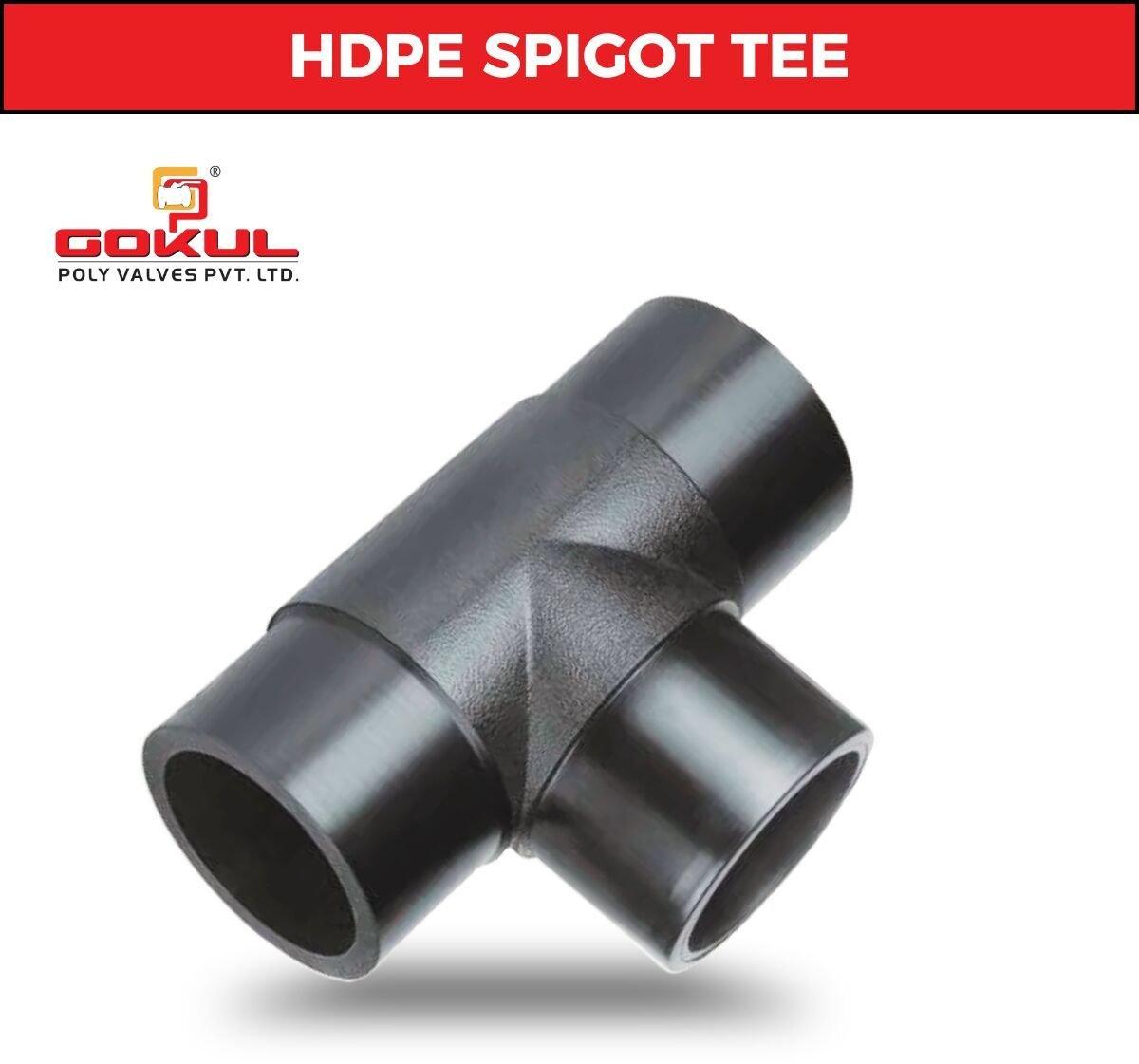
How a Tee Fits Into an HDPE Piping Layout
A pipeline does not always have to follow one continuous route. In many projects, the main line has to serve different areas. A branch may be needed for another water line, an irrigation section, or a separate part of an industrial system.
This is where a tee becomes useful. It provides a planned point from which another pipe can be connected to the main line.
The idea is quite simple, but the fitting needs to match the piping arrangement. The pipe sizes, branch dimensions, joining method, and application all have a role in deciding which tee is appropriate.
Why HDPE Is Used for Different Piping Applications
HDPE has become a popular choice for many piping applications because of its useful combination of flexibility, strength, and resistance to corrosion.
It is used in water supply, irrigation and several industrial applications. Depending on the project, HDPE piping can also be found in areas such as chemical and petroleum handling, effluent treatment, cooling systems, paper and pulp, sugar, and other industrial operations.
Gokul Poly Valves manufactures and supplies HDPE pipe fittings for different piping requirements, along with spigot, electrofusion, and compression fittings.
Because every application has its own requirements, the fitting should be selected according to the pipeline in which it will actually be used.
Choosing Between Different Tee Arrangements
Not every pipeline requires the same type of tee. The required arrangement depends largely on how the main pipe and branch pipe are planned.
In some systems, the main line and branch may have the same diameter. In others, the branch may be smaller than the main pipe. The choice therefore needs to be based on the actual dimensions shown in the piping design.
This is one reason why it is useful to have the pipeline drawing or specifications available when discussing the fitting with a manufacturer or supplier.
It gives both sides a clearer idea of what is actually required instead of relying on a general description such as “I need a tee fitting.”
Where an HDPE Moulded Tee Can Be Useful
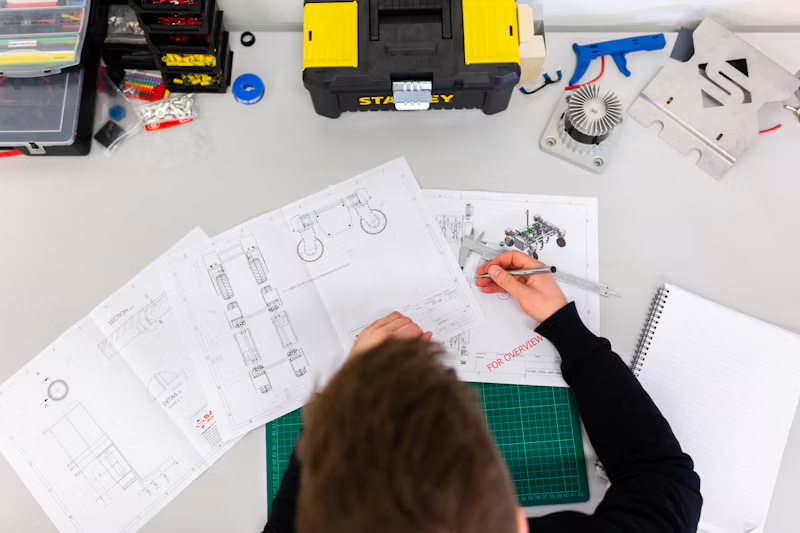
1. Water Distribution
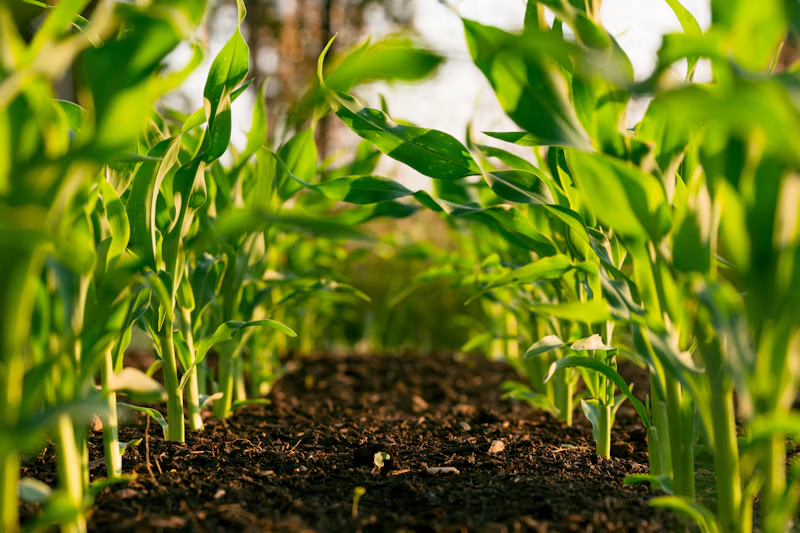
2. Irrigation
3. Industrial Piping
What to Check before Selecting the Fitting
This product needs to be chosen after analysing the pipe, and not just by going for the first choice that comes along.
One should start by considering the pipe diameter, followed by the size of the branch and the manner in which the fitting will connect with the pipe.
Material and manufacturing considerations are also equally significant. This is because the fittings need to have certain specifications to be integrated well into the piping system.
For larger applications, this process can be discussed with the manufacturers.
Importance of the Correct Dimensions
There can be a fitting for HDPE pipe, although this does not mean that it will necessarily fit all HDPE pipes.
It should match the dimensions of the pipe layout. If the diameter of the branch is different from that of the mainline, then you will need a different fitting.
These factors should be sorted out before placing an order to avoid wasting time on installing fittings which won’t fit the desired pipeline.
Quality Matters beyond the Product Name
Although price consideration is essential while purchasing industrial pipe fittings, it cannot be the sole factor. The quality of the material used, accuracy of the size, manufacture process, and quality control measures are some other important aspects when it comes to fitting usage in a pipeline.
As Gokul Poly Valves mentions on its website, the company adheres to strict quality control procedures and is certified ISO 9001:2015. For customers who require fittings on regular basis or in bulk quantity, looking into the above mentioned points may help assess the manufacturing and testing procedures.
Another useful practice is selecting a fitting supplier that will be able to give detailed information regarding the product including its size, applications, and whether it will be suitable for the piping system or not.
Making the Selection Easier
There is no need to make the selection process complicated. Having a few basic details ready can make the discussion much clearer.
Before contacting a supplier, it is useful to know:
- Main pipe size
- Branch pipe size
- Required quantity
- Application
- Preferred joining method
- Operating conditions
- Any specific project requirements
Given these specifications, it makes it easy to choose the appropriate HDPE Moulded Tee rather than choosing one on the basis of looks or cost alone.
It can also come in handy in instances where multiple fittings are required for the same project as the supplier will have an idea of the total requirement.
FAQs
The HDPE Moulded Tee is employed for the formation of the three-way joint in the HDPE piping system. It facilitates connecting a spur to the trunk line in many different applications such as distribution of water, irrigation, and industrial piping.
Check the main pipe size, branch size, and application, joining method, operating conditions, and required quantity. Product specifications and material quality should also be considered.
Conclusion
The efficient operation of a piping system requires a number of considerations other than the pipe itself. Tees and other fittings play an important role in designing and providing the branches and connections that will form part of the layout.
An HDPE Moulded Tee is one of the useful fittings available for use in an HDPE pipeline where there is need for a three-way connection. It all depends on the dimensions of the pipe and the branch needed among others.
By considering these factors in advance, buyers can pick out the best fitting for the piping system without relying on cost alone.
Need HDPE pipe fittings for your next project? Contact Gokul Valves to discuss your requirements and find a suitable option for your pipeline system.